
Security System Installation & Home Automation.
Yes, you need a licensed electrician for a hardwired security system — and that's exactly where most alarm companies stop short. ElectroMax Systems installs security system wiring, CCTV, and full home automation the way it should be done: proper circuits, proper panel capacity, and a system that still works five years from now instead of one held together with extension cords and a plug-in hub. Building out a new subdivision home in South Surrey or adding cameras to an older place in Fleetwood — we run the wiring first and the technology second.

The wiring behind
the technology.
Most alarm companies sell you a box and a few wireless sensors, then leave the actual wiring problem for someone else to figure out later. We're not that. Every job starts with the electrical side, not the app.
Dedicated Circuits for Security Panels
A security panel that shares a circuit with the fridge or the garage opener trips at the worst possible time. We run it its own line, so a kitchen overload never takes your cameras offline.
Structured Wiring for CCTV
Wireless cameras drop frames, lose connection in bad weather, and run on batteries that die at 2am. We run Cat6 and low-voltage cable behind the walls so your footage is actually there when you need it.
Panel Capacity Checked First
A lot of older Lower Mainland homes are still on 100-amp service. Adding cameras, smart locks, a video doorbell, and an EV charger to a panel that's already maxed out is how breakers start tripping. We check capacity before anything goes in.
Smart Lighting Hardwired
Plug-in smart bulbs are fine for an apartment. For a full home automation setup, we wire smart switches and dimmers directly into the circuit so the system is permanent and the lights still work if the app goes down.
Smart Lock Backup Power
A smart lock that runs on batteries alone will eventually die at the front door. We wire in backup power where the system supports it, so you're not locked out because nobody changed the batteries.
EV Charger Integration
If you're running an EV charger, a security system, and smart lighting off the same panel, load management matters. We size and integrate the charger so it doesn't compete with everything else in the house.
From first call
to your first charge.
Getting an EV charger installed at your home doesn’t have to be complicated. Here’s exactly what we do — from the moment you call us to the moment your charger is ready to use.
- 01Step
Security Camera Wiring & Install
Hardwired CCTV placement, low-voltage cable runs, and connection to a recorder or network video system — positioned for actual coverage, not just where the bracket happens to fit.
- 02Step
Smart Lock Installation
Front door, garage entry, and interior smart locks wired for reliable power, integrated with your existing panel and access points.
- 03Step
Smart Lighting Systems
Switches, dimmers, and lighting zones wired into the circuit and set up to work with your automation platform, from a single room to the whole house.
- 04Step
Whole-Home Automation Wiring
The backbone that ties cameras, locks, lighting, and climate control together — structured wiring, proper panel capacity, and a system that's actually integrated instead of six separate apps.
- 05Step
EV Charger Circuits
Dedicated circuits sized for your charger and your panel, installed to code and permitted through the local authority where required.
- 06Step
Security Panel & Alarm Wiring
Dedicated circuits, backup power connections, and proper placement for control panels and keypads.
Older panels, newer builds,
same lesson.
A lot of what we see comes down to the age of the home versus what's being asked of the panel. Established areas like Fleetwood and Guildford often still run 100-amp service that was never built to carry a security system, a couple of cameras, and an EV charger at the same time — that's usually where "the cameras keep cutting out" calls come from.
Newer subdivisions in South Surrey and Clayton Heights have more capacity but tend to have builder-grade wiring runs that weren't set up with automation in mind, so retrofitting a full smart home setup still means opening walls and running proper cable.
Either way, if the panel needs upgrading to support the new load, the local authority requires a permit and inspection, and we file that as part of the job.
As one of our senior technicians put it: “People call us after the wireless camera system they installed themselves stops talking to the app every time it rains. Once we run proper low-voltage cable and give it a dedicated circuit, that problem's gone for good.” That's the gap between a plug-in kit and an actual installation.
Seven reasons the wiring
outlasts the trend.
BC Licensed
Every install is done by a licensed electrician, not a technician trained only on one brand's alarm hardware.
Fully Insured
Your home is covered on every job, whether it's four cameras or a full automation rebuild.
WorkSafeBC Covered
Proper safety standards on every job site, including new-build subdivisions still under construction.
Local Teams, Fast Response
Our crews work across the Lower Mainland daily, so scheduling doesn't mean waiting three weeks for an install slot.
No Subcontractors
The electrician who wires your system is the one who shows up, not a rotating crew from a subcontracted install company.
Permits Handled
Panel upgrades and load changes get filed and inspected properly, so your system doesn't cause problems at resale.
A few we’ve wired up.

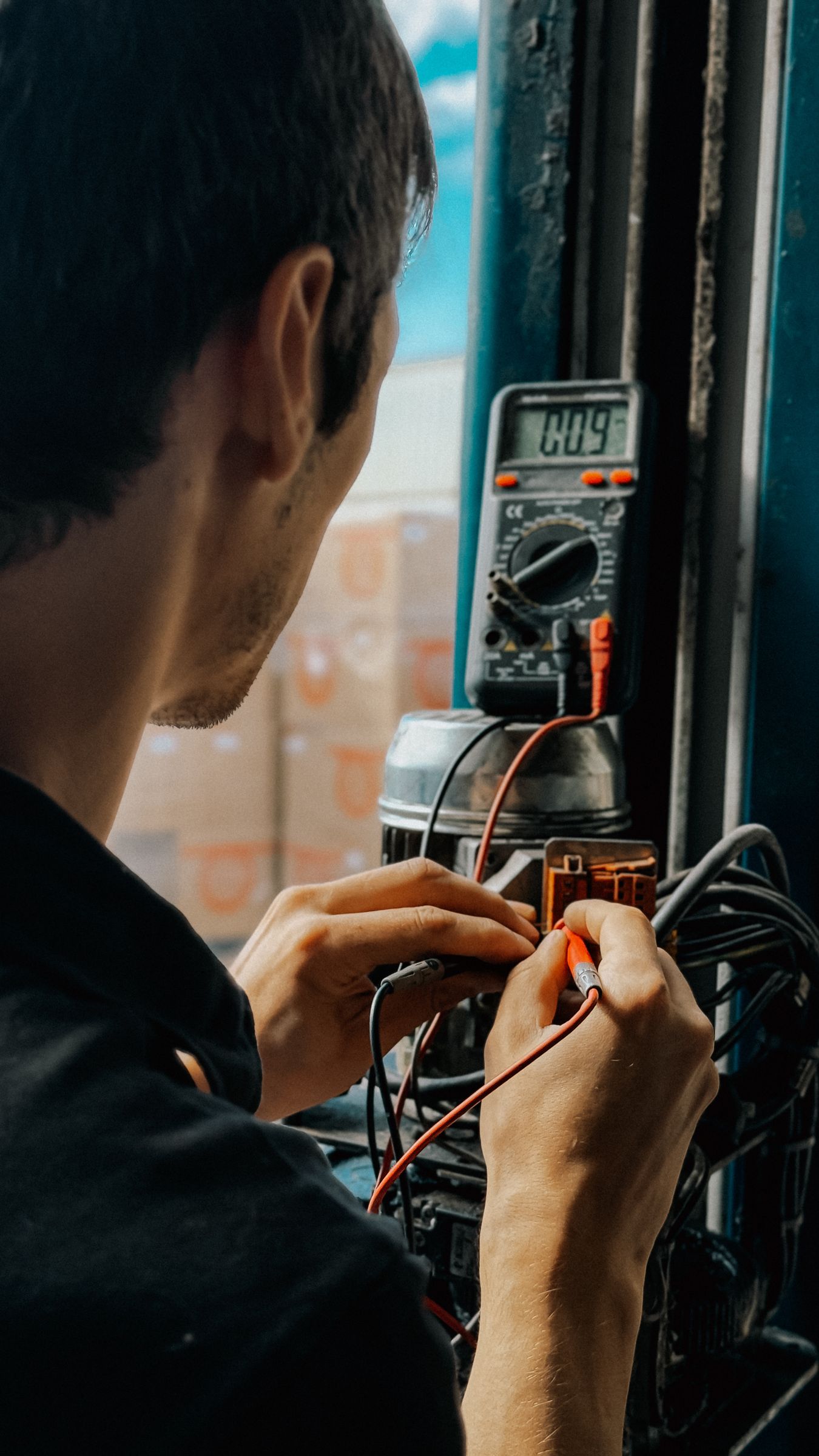
Building, upgrading, or done with dropped feeds?
Call us for the electrical side first.
Security & home
automation questions.
Do I need an electrician for a security system?
Yes, for any hardwired system. Wireless plug-in kits don't need one, but cameras, panels, and smart locks wired into your home's electrical system require a licensed electrician to run dedicated circuits and low-voltage cable properly.
How much does security system installation cost?
Cost depends on the number of cameras, whether panel upgrades are needed, and how much new wiring the job requires. We assess your panel and give a free written estimate before any work starts, so there's no guessing.
Can you add smart home automation to an older home?
Yes, though older homes on 100-amp service often need a panel assessment first. We check capacity, run new wiring where needed, and integrate lighting, locks, and cameras without overloading what's already there.
Do I need a permit for a security system install?
Camera and lock wiring on existing circuits typically doesn't require a permit. If the job includes a panel upgrade, the local authority does require a permit and inspection, and we handle that filing as part of the job.
Can you integrate an EV charger with my existing security and automation system?
Yes. We size the charger circuit around your panel's actual capacity and existing loads, so the charger, cameras, and smart lighting all run without tripping breakers or competing for power.
Why do my wireless cameras keep losing connection?
Wireless systems rely on Wi-Fi signal strength and battery power, both of which drop in bad weather or with distance from the router. Hardwired CCTV with dedicated low-voltage cable doesn't have that problem.
How long does a full smart home automation install take?
A single-room setup like smart lighting or a lock can take a few hours. Whole-home automation with cameras, locks, and lighting zones typically takes one to three days, depending on how much new wiring the house needs.
Serving Metro Vancouver
& the Fraser Valley.
We install security & automations across the Lower Mainland. Every city has its own quirks — panel age, permit desk, strata rules. Pick your city for a page written specifically for you.